I looked at the images of my Macbeth series again. The story of an ambitious man, an evil wife, murder, ghosts, downfall. A classic tragedy, but I had a feeling there was more to it, something not fully understood by me - a good reason to read the drama again, analysing it like a dream.
We hear Macbeth has been a brave fighter for King Duncan. He has just killed a traitor in a hard fight and will receive great honours and rewards from the king. On his way home he meets the three witches, prophesying him a kingship shadowed by unease, and Banquo, who is with him, will be father of many kings.
Almost instantly Macbeth thinks of murdering the king - for whom he had just fought and killed a traitor - to usurp the throne. That felt odd. Why now, when he could enjoy his success and his rise? It could only mean this idea was not new to him, that it had been ready, waiting within for long. Almost as if "killing a king" was more important than his rise to greater power.
When I went on reading I realised that these stumbling stones, oddities in the development of the drama, were not weaknesses, badly integrated turns, but cornerstones in the map of the psychic landscape being unfolded.
What does it mean if the seeming hero carries within him such an urgent need - just after killing a traitor for that very king? What a foreboding shadow this casts: Macbeth just killed what he will become himself, a traitor to the king. The whole drama is contained in this already, right in the first act, to the dark and bitter end - that Macbeth’s drivenness, on its deepest level, is not "making him great", but is methodically setting into action his ultimate destruction.
Then, the next stumbling stone. King Duncan arrives at Macbeth’s castle and pauses. He goes on about the “pleasant seat,” the “temple-haunting martlet,” the “sweet air.” It’s a lyrical, peaceful moment that feels strangely long and thereby emphasized. Why? Duncan seems surprised his rough warrior may have a gentler side.
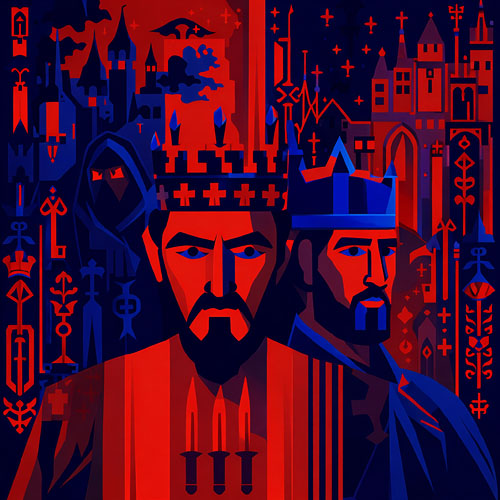
Oh, I see: The landscape with the castle is Macbeth’s unlived self. The “sweet air” is his own capacity for gentleness, beauty, nurture. Duncan, the good, integrated king, sees and praises this quality. This seeming little oddity, that for a moment halts the progress of the drama, is actually another cornerstone: We are told that Macbeth has a very different "nature", which is the opposite of the ruthless, murderous persona he is identifying with. And his king, other than Macbeth himself, would appreciate this side of him, even admire it. So we have a hero driven to kill a father figure, and then a benevolent king whom he could be friends with rather than destroying him. An image of Macbeth’s real father might be glimpsed here, one who had only disdain for the gentler, “unmanly” sides of his son. This cruel father image becomes both the ideal and the enemy to destroy. (But what will become of this, when the son is king himself?)
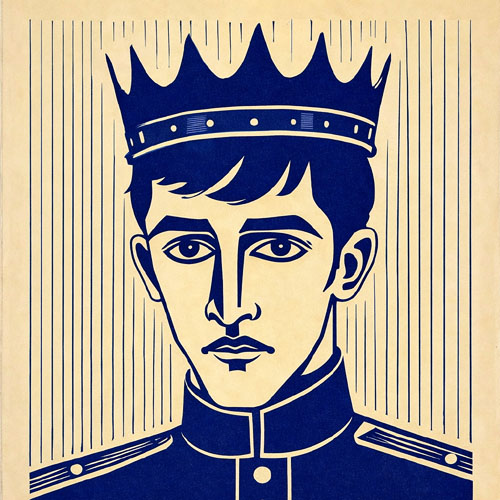
Lady Macbeth’s role now makes so much sense. Her “unsex me here” speech isn’t just about summoning cruelty. It is a rejection of the life-giving and compassionate. And when she attacks Macbeth’s manhood, she is not just taunting his courage. She is voicing a deep, old wound: Your sensitivity, your hesitation – weakness. Kill it. She offers a terrible bargain: identify with the shadow, and I will love you for it.
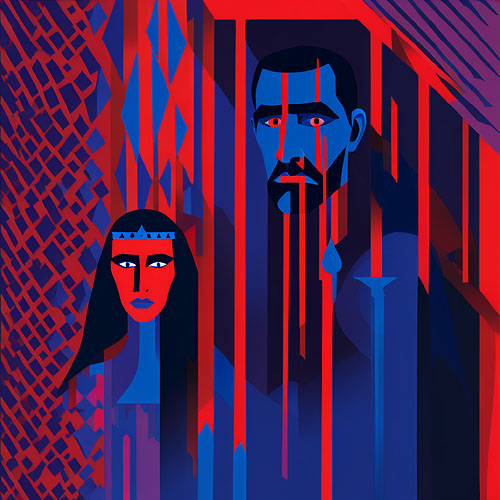
After Duncan’s murder, the play changes. Macbeth isn’t driving events anymore; he’s reacting to the consequences of the first crime. One murder demands another (Banquo), then another (Macduff’s family). It’s a self-escalating logic. He becomes a cog in a merciless machine – the machinery of tyranny he himself switched on.
This is where the play stopped feeling archaic and felt terrifyingly modern. This is how tyranny works: the leader’s internal chaos (paranoia, guilt, narcissism) gets projected outward and systematised. The state becomes an externalization of his diseased psyche. Everyone gets reduced to a function: ally, traitor, tool, obstacle.
Then, another big stumbling stone in the drama: the drunk Porter, right after the murder. On the page, it felt like cheap “comic relief” glued into a tragedy. But I imagined the original theatre: the horror of the murder, then this drunk bursting in, shouting vulgar jokes, the audience roaring with laughter. The tonal whiplash wasn’t a mistake; it was the point. The chaos isn’t just in Macbeth’s mind – it’s in the world, and in the laughter of the crowd right next to you. These stumbling stones are over-charged with meaning: All the Porter’s jokes are about things that sabotage themselves - as Macbeth did, smudging his newly gained status - and again: ultimately destroying it. The self-destruction is beginning to show.
The final acts seem to set up the classic finale: the tyrant is besieged, the good forces rally. But Shakespeare plants more stones.
First, Macduff. He flees to England to join Malcolm, leaving his family defenseless, to be slaughtered. Why? The play offers no good reason. It feels like a catastrophic, human failure. This “hero” of the resistance is flawed, his action almost as thoughtless as Macbeth’s in its way. It signals that the “good” side is not made of angels, but of frightened, compromised men.
This, by the way, was said with great clarity by his own son: “Then the liars and swearers are fools: for there are liars and swearers enow to beat the honest men and hang up them.” Macduff’s son has no illusions about people - and abandoned by his father gets killed shortly after. Shakespeare really seems to make sure we get it, the theme of a destructive father/son relationship.
Then, the most startling scene: Malcolm, the rightful heir, tests Macduff by claiming to be worse than Macbeth – a monster of lust, greed, and malice. Macduff is horrified, and only then does Malcolm take it back, revealing it as a test.
But why this bizarre, risky game? Malcolm here is shown as the antithesis to Macbeth. Malcolm, a ruler who has looked into his own capacity for evil. He consciously names and claims the shadow, then renounces it. A ritual of integration.
Then, Shakespeare again shows us a final, full image of Macbeth: When confronted by Macduff, he is reluctant to kill him. “Of all men else I have avoided thee… my soul is too much charged / With blood of thine already.” Even at this late moment we are shown the remnants of a humane side in Macbeth, combined with his false sense of superiority - just before he will be killed by an opponent provoked now even more.
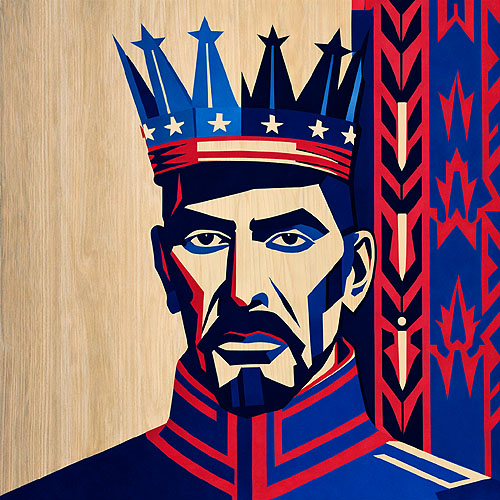
But the final, most devastating stumbling stone comes right at the end. The battle is won. Young Siward, son of the stalwart English lord, is dead. They bring the news to his father, Old Siward.
SIWARD: Had he his hurts before? (Was he wounded from the front?)That’s it. No grief. No wasted words. His son’s life is a settled invoice: died honorably, account closed. Malcolm, showing his integrated humanity, gently interjects: “He’s worth more sorrow, / And that I’ll spend for him.” But Siward even explicitly dismisses the king’s compassion: “He’s worth no more… They say he parted well and paid his score.”
Wow. Old Siward is the true spiritual heir to the logic of the tyrant’s throne. He is what Macbeth’s father may have been, what Macbeth’s world told him a “real man” and a strong leader should be: emotionally sterile, valuing honour above humanity, seeing life in purely utilitarian terms. He is the fortress without any sweet air.
Also, we are shown: All the time, Macbeth, seemingly out of ambition, deep down was pursuing the erasure of his disappointing self, seen through the eyes of his father. The father figure Duncan was killed, but the father’s scorn still won.
And the machine of power has not been dismantled. It has simply found a more efficient operator. Macbeth was a bad tyrant because he was conflicted, haunted by the softness he tried to kill. Siward is a perfect cog. He will keep the machine running smoothly.
Even the famous “Birnam Wood” comes to Dunsinane as a symbol of this. The soldiers cut down the living forest for camouflage. Once used, the branches are discarded. The organic, restoring force of nature is instrumentalised and thrown away. It is the same logic Siward applies to his son.
So, Macbeth isn’t a simple play about ambition. It is a public dream about psychic disintegration. Shakespeare uses the stage not to preach a moral, but to enact a process: what happens when the conscious ego, haunted by shame and hungry for inflation, identifies with its darkest shadow and tries to make it king.
The stumbling stones – the sweet air, the Porter, Malcolm’s test, Siward’s icy grief – are not flaws. They are the dream’s way of speaking the truth sideways. Malcolm is becoming the new king of Scotland, but the drama spotlights Siward, and in his brutal coldness he even surpasses troubled Macbeth.
The wood advanced. The fortress fell. But there is a chill in the air, and we, the audience, are left to wonder who, in our own world, is giving the orders with Siward’s calm, unloving voice.
